
管 勇
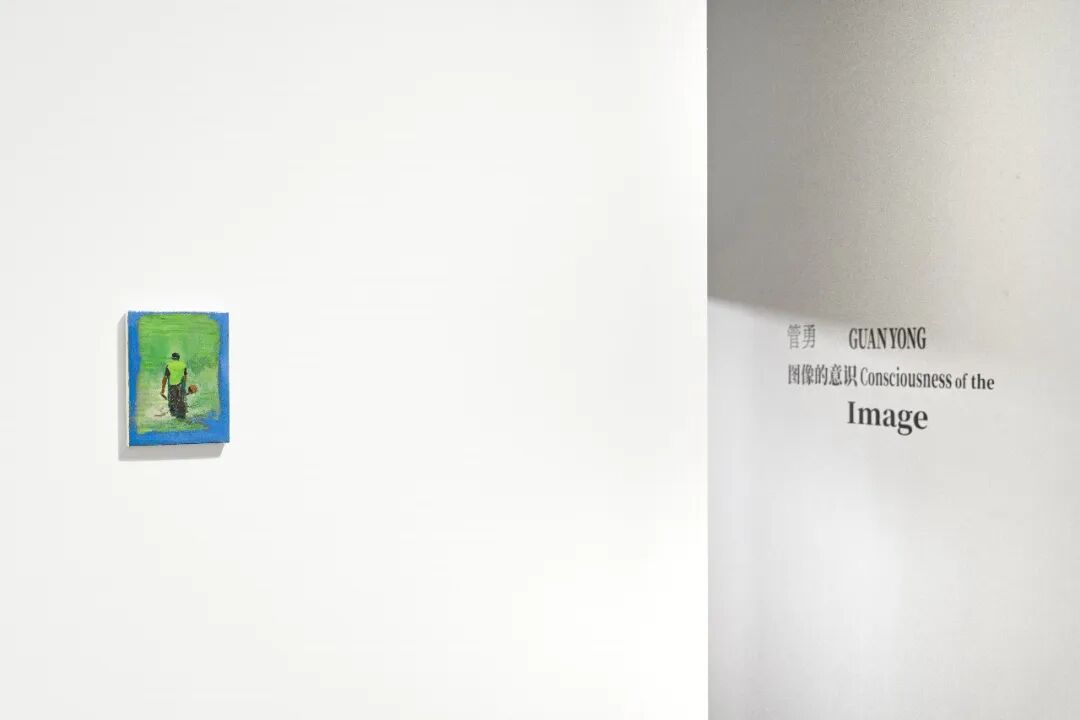
图像的意识
Guan Yong
Consciousness of the lmage
2026.9.24-11.7
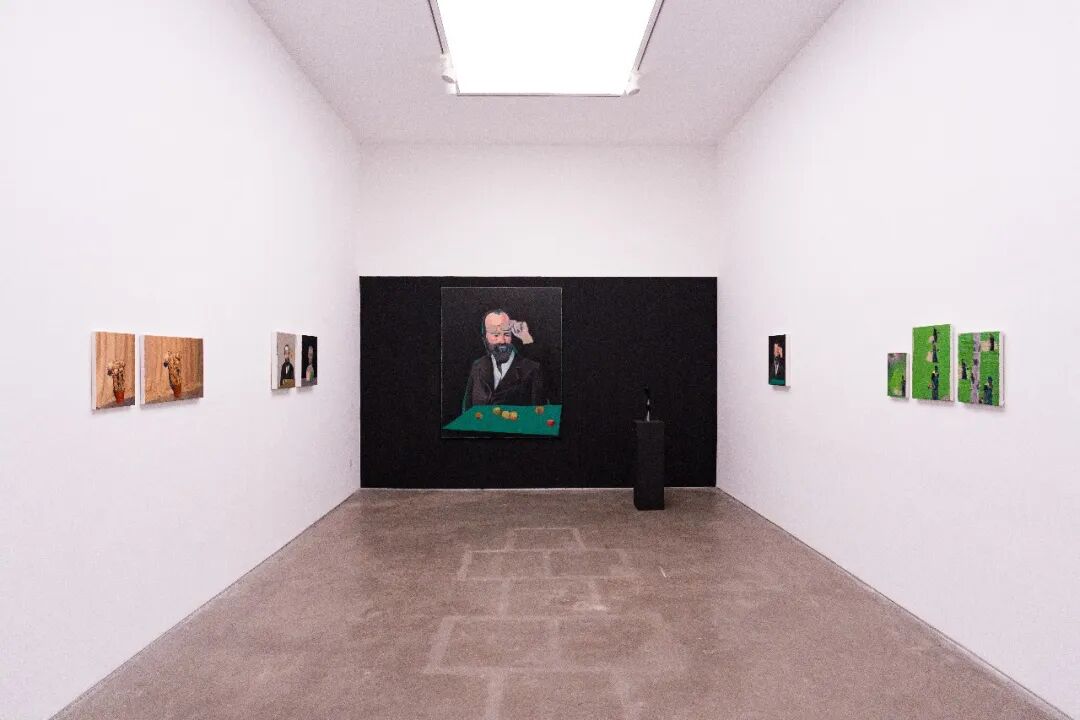
「图像的意识」管勇个展于2026年9月24日在白盒子艺术中心二层空间开幕,此次展览共展出艺术家16件油画创作与1件雕塑作品。管勇最新的绘画创作不以自然原物为原型,而以历经凝视、筛选、定格与显现的次生图像为基底,完成对图像世界的再呈现、再敞开,以期呈现他对图像意识的思考与探索。展览持续至11月7日。
管勇:图像的意识
文/孙永增
在视觉艺术现象学的理论视域中,凝视从来不是单纯的视觉行为,而是主体与世界、意识与存在的深度交融的本体性互动。如果说现象学为我们提供了重返事物本身的感知方式,那么被称为具有现象学深度的视觉艺术,便是一种敏锐而深刻地感知世界的路径。梅洛‑庞蒂在《塞尚的疑惑》中转引塞尚自己的话:“风景在我身上思考自己,我是他的意识”,塞尚将自己描述为“风景的意识”。这种人与世界交互共存、彼此映照的内在关联,重构了人对自然、对世界的观看逻辑,也重塑了现代艺术的创作与审美方式。
管勇近期的艺术实践,承继了这一现象学式的眼光和观念,并以此展开对图像时代的“图像观看”的批判性反思。他从塞尚直面自然的肉身凝视,莫兰迪对物像的深度观看,延伸到数字时代,去思考“人如何观看一张图像”。在管勇看来,人类社会已然从自然文明、工业社会进入信息时代,图像成为我们今天必须要面对的现实。基于此,管勇选择以图像媒介为创作基底,通过反复主客交互式地凝视对象与绘画实践,深度挖掘图像内部所蕴含的象征意义和知觉结构,实现对“图像意识”的绘画性转译。如果说图像承载着物象与世界显现的意识,管勇的绘画则是对这种显现意识的再度觉知、对既定图像的二次改造。通过绘画,让图像所承载的事物存在本质与知觉结构向观者敞开。在媒介重构与意识回溯的双向互动中,绘画得以突破单纯的视觉再现,成为通往世界存在深处的精神载体。他以这种极具个人思辨性的创作,回应了当下数字时代的普遍视觉处境:泛滥的碎片化图像催生了浅层、滑动、惰性的观看习惯,消解了事物的深度意蕴与内在价值,也割裂了人的感知完整性和主体自觉性。管勇的现象学式观看与创作实践,正是对这种视觉浅表化困境的审美校正与精神救赎,重新唤醒人的专注力,和深度感知世界的能力。
这次《图像的意识》展览,展出管勇近期的三个创作系列:人物肖像、花卉静物与林间剪草的人,以期呈现他对图像意识的思考与探索。
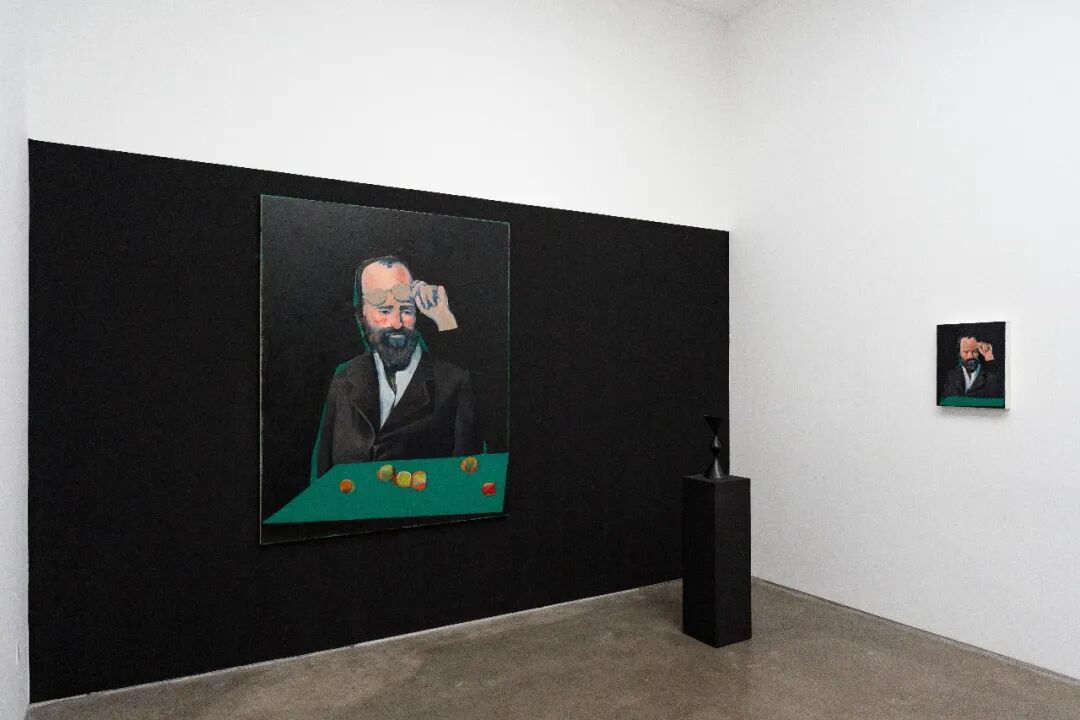
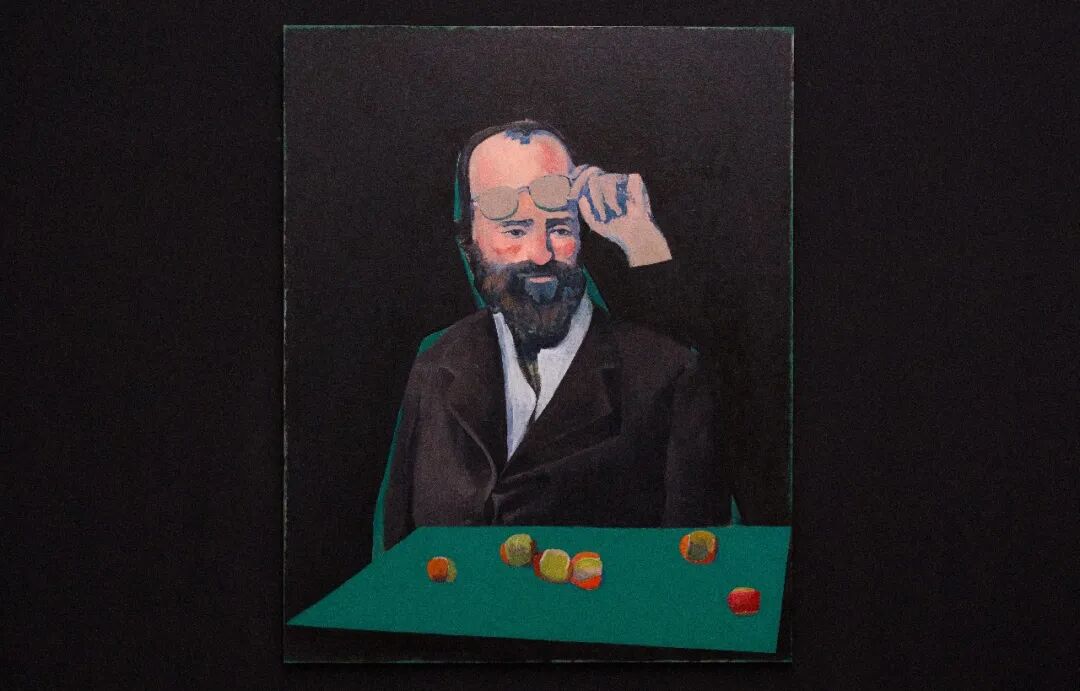
管勇 Guan Yong,上帝之手 The Hand of God,布面油彩 Oil on Canvas,160×200 cm,2024-2025
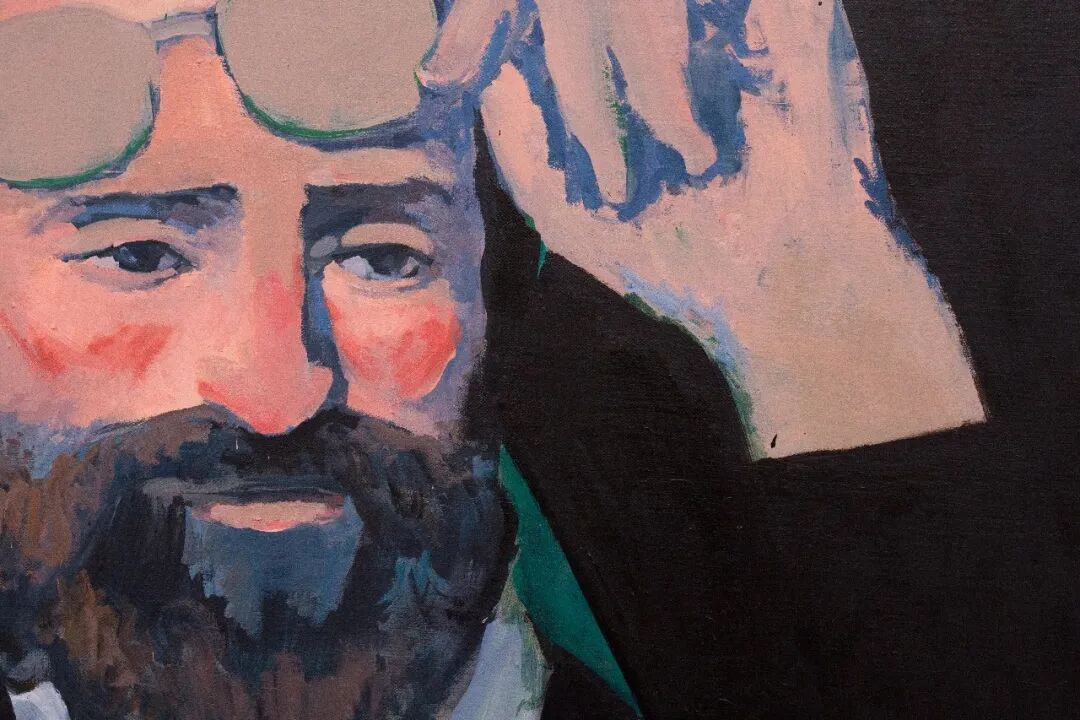
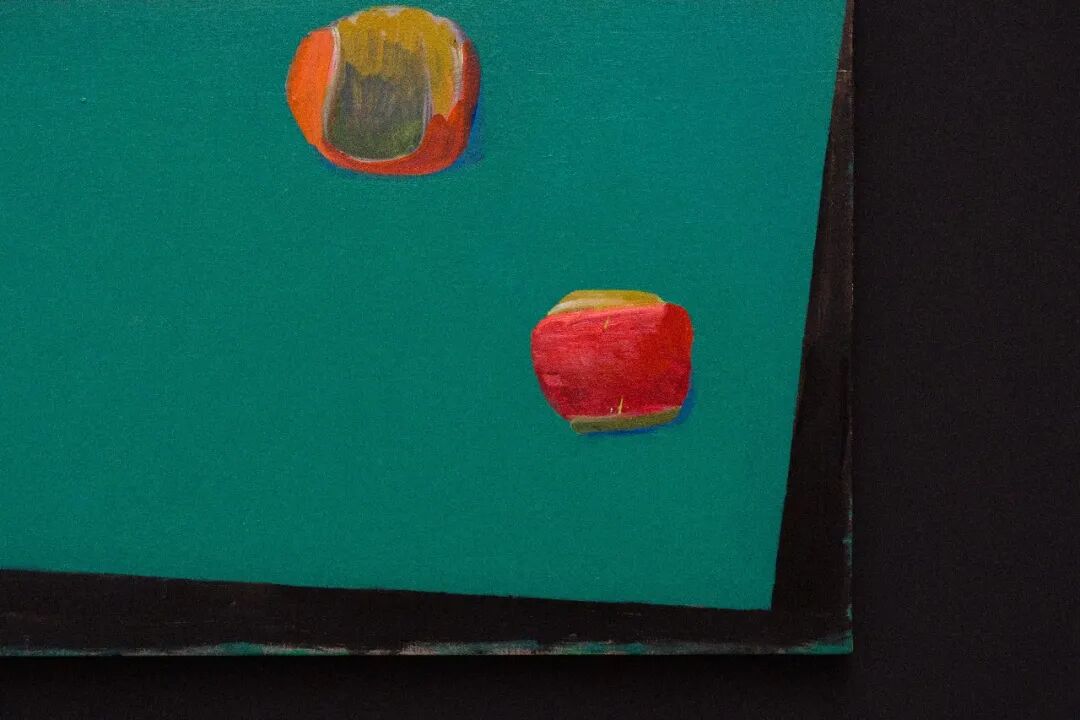
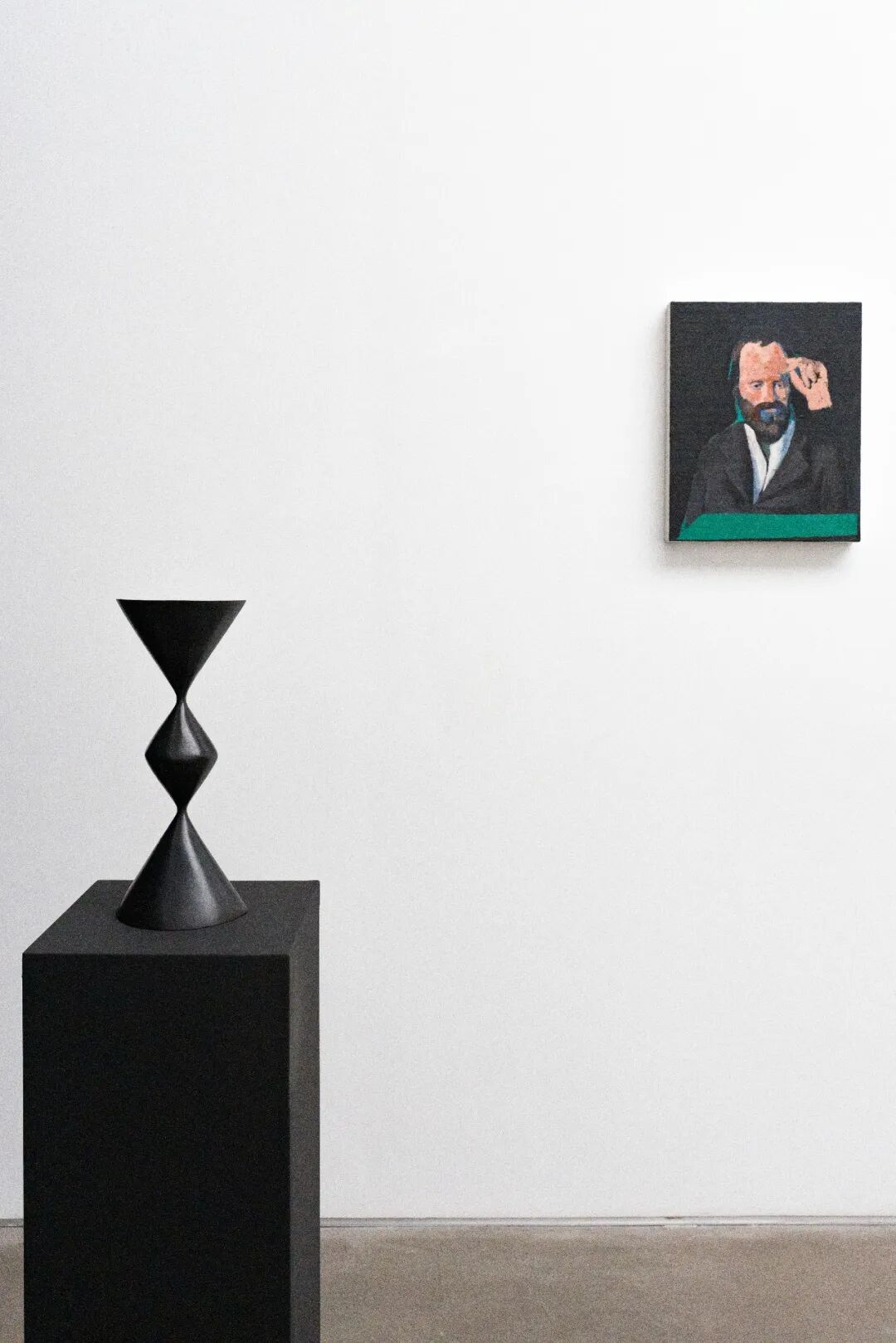
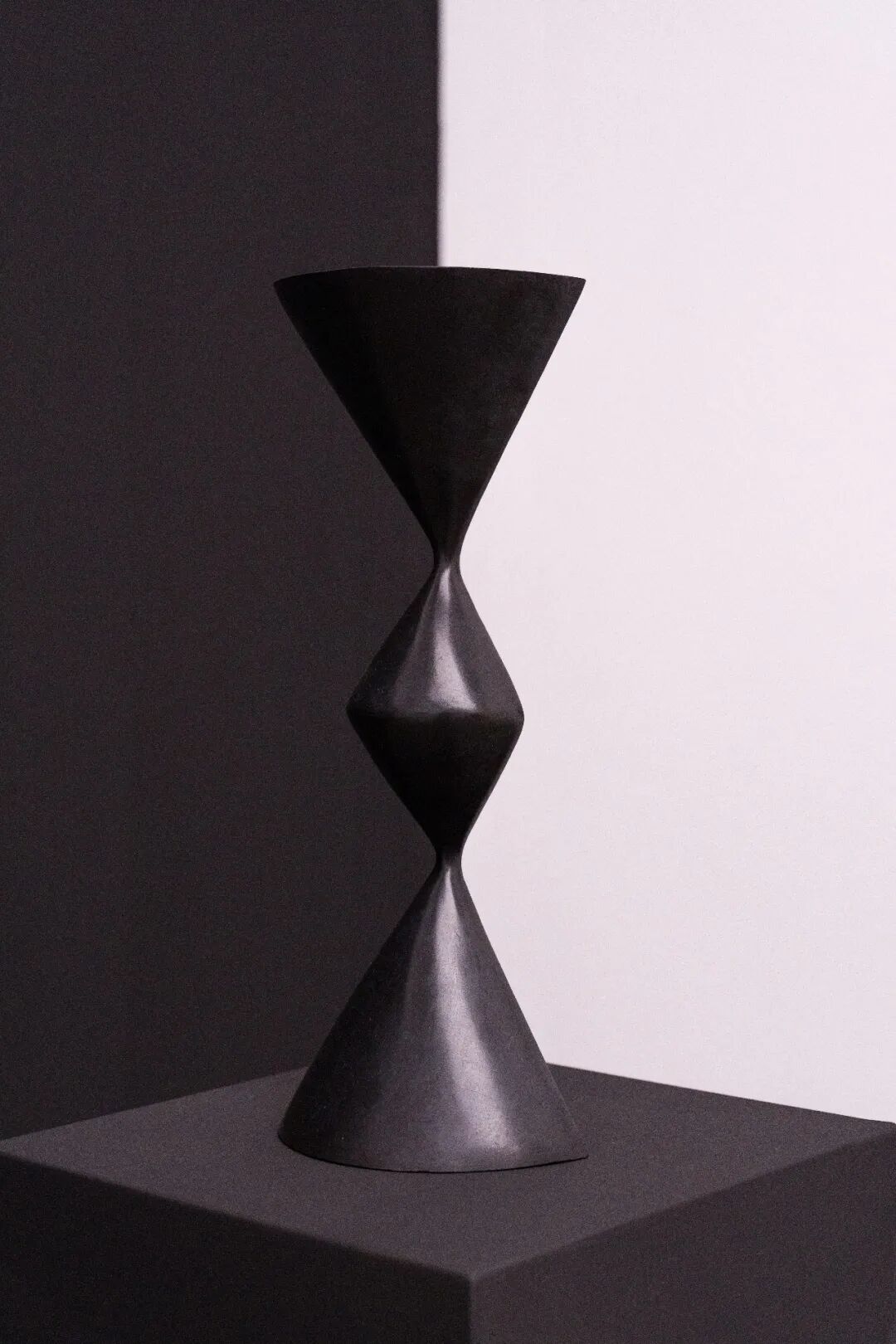
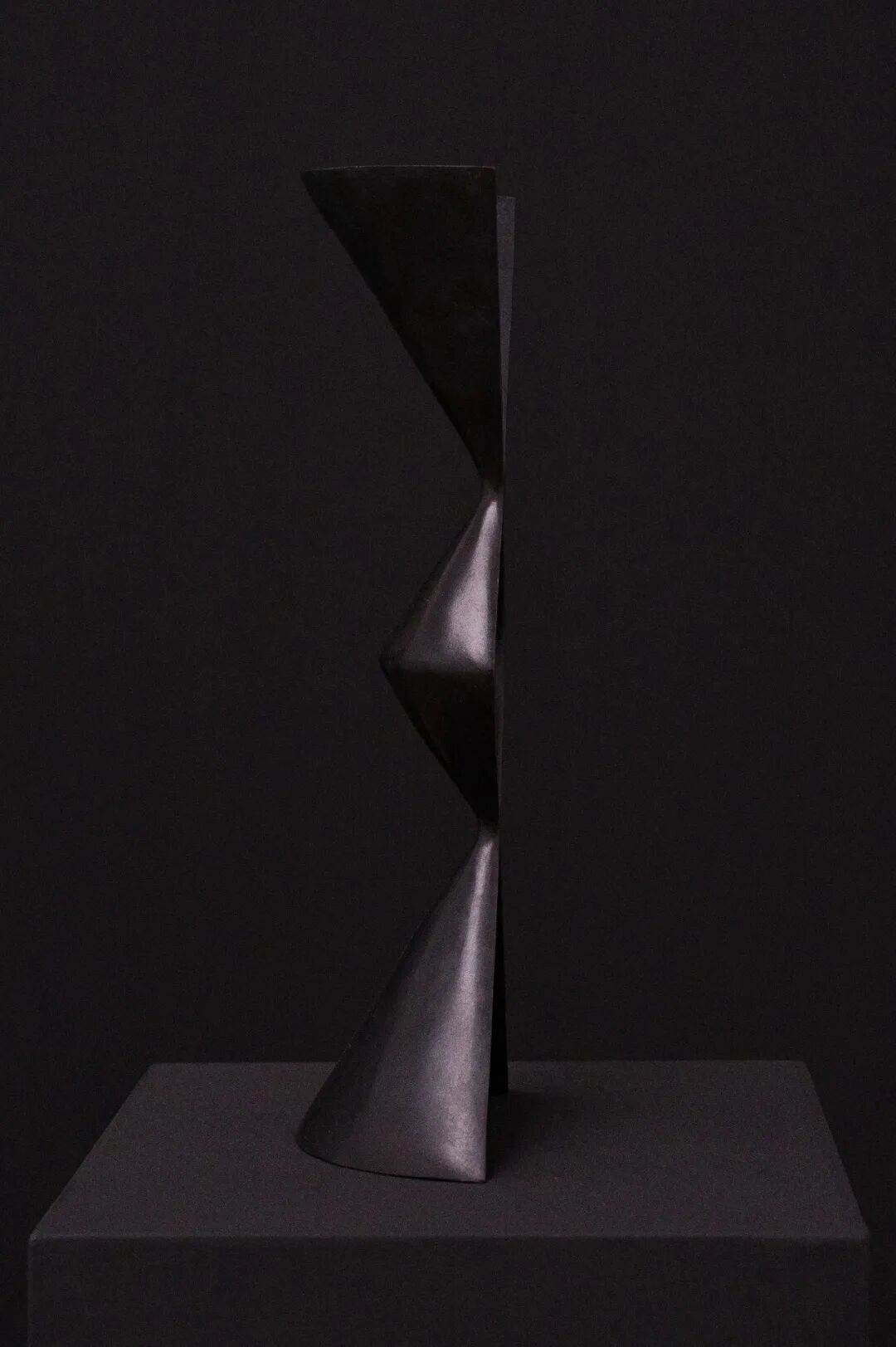
管勇 Guan Yong,无题 Untitled,硅青铜 Silicon bronze,H38.9×W16.3×D8.2 cm,2017
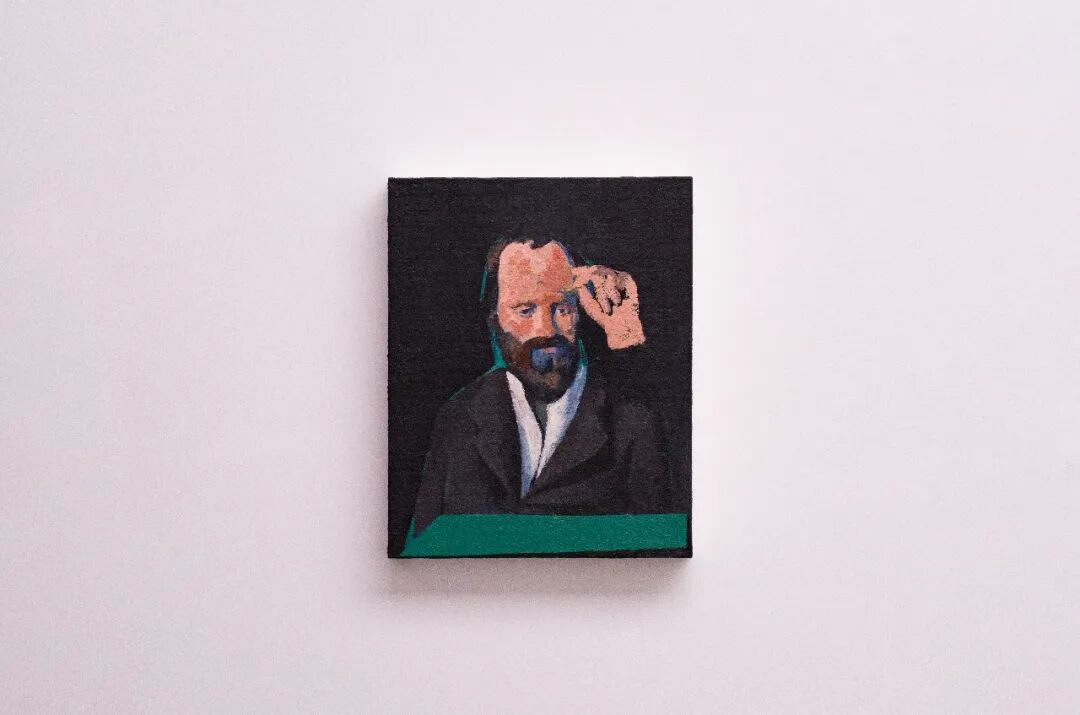
管勇 Guan Yong,无题 Untitled,布面油彩 Oil on Canvas,40×50 cm,2023-2024
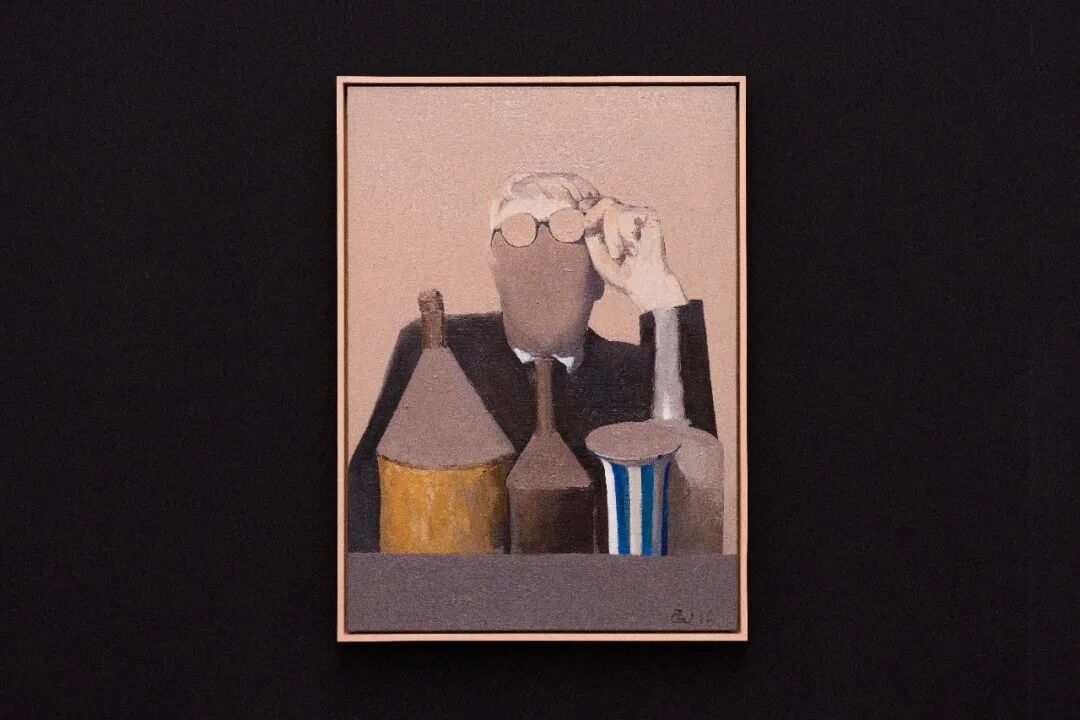
管勇 Guan Yong,无题 Untitled,布面油彩 Oil on Canvas,50.2×70.1 cm,2016-2025
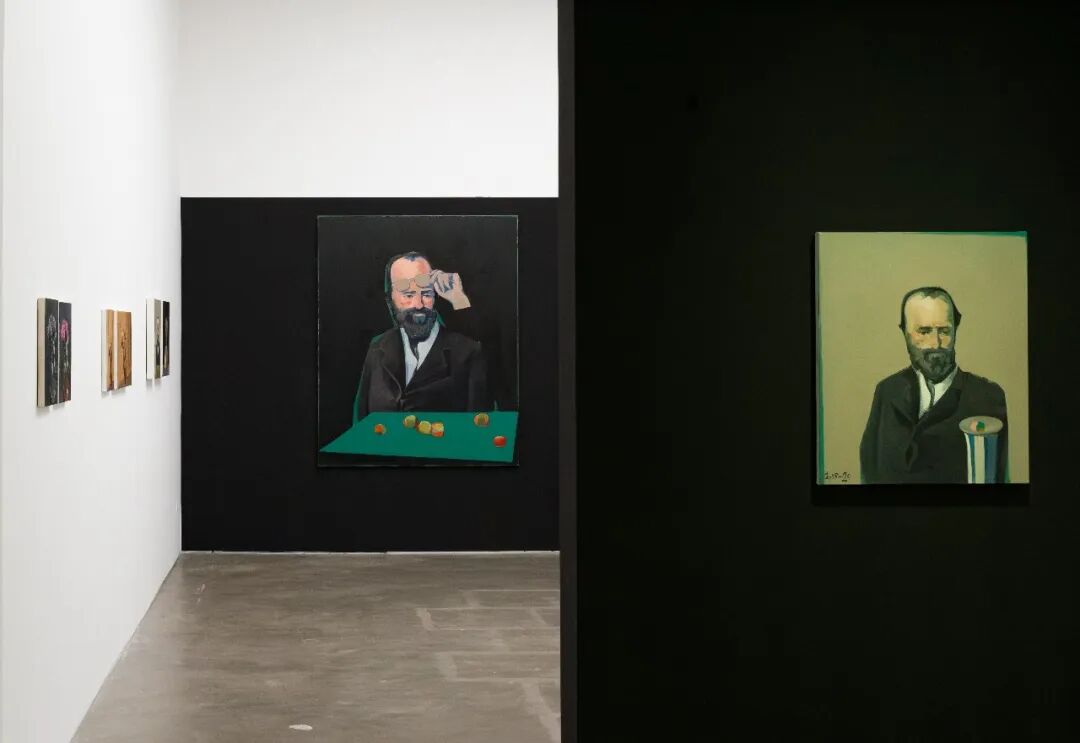
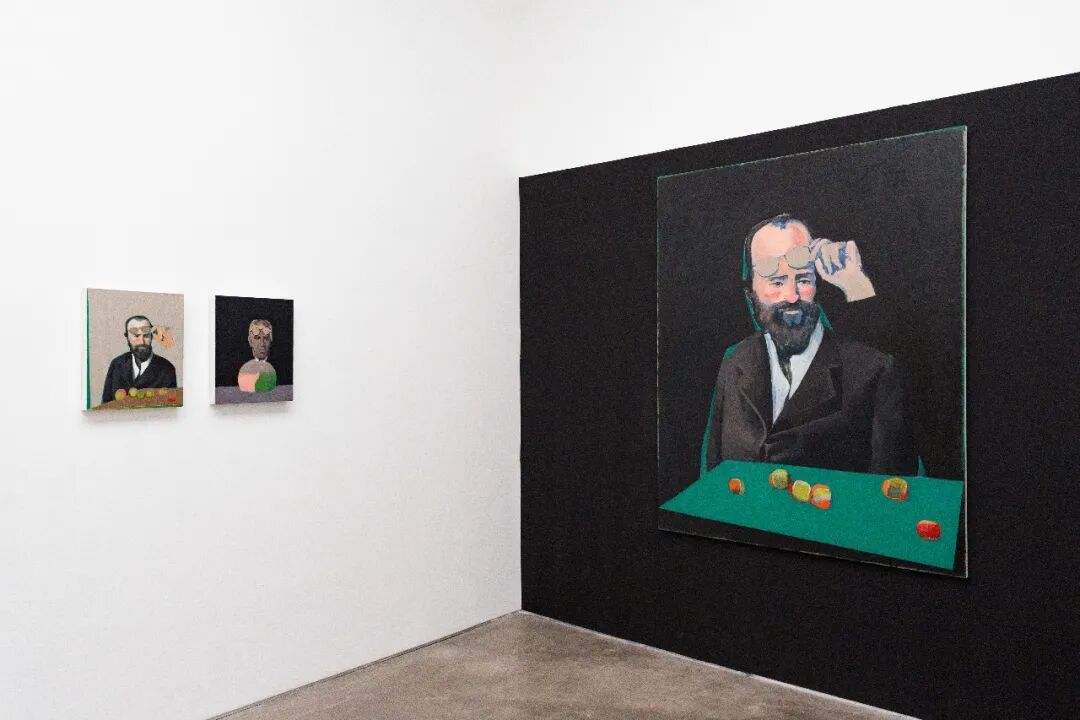
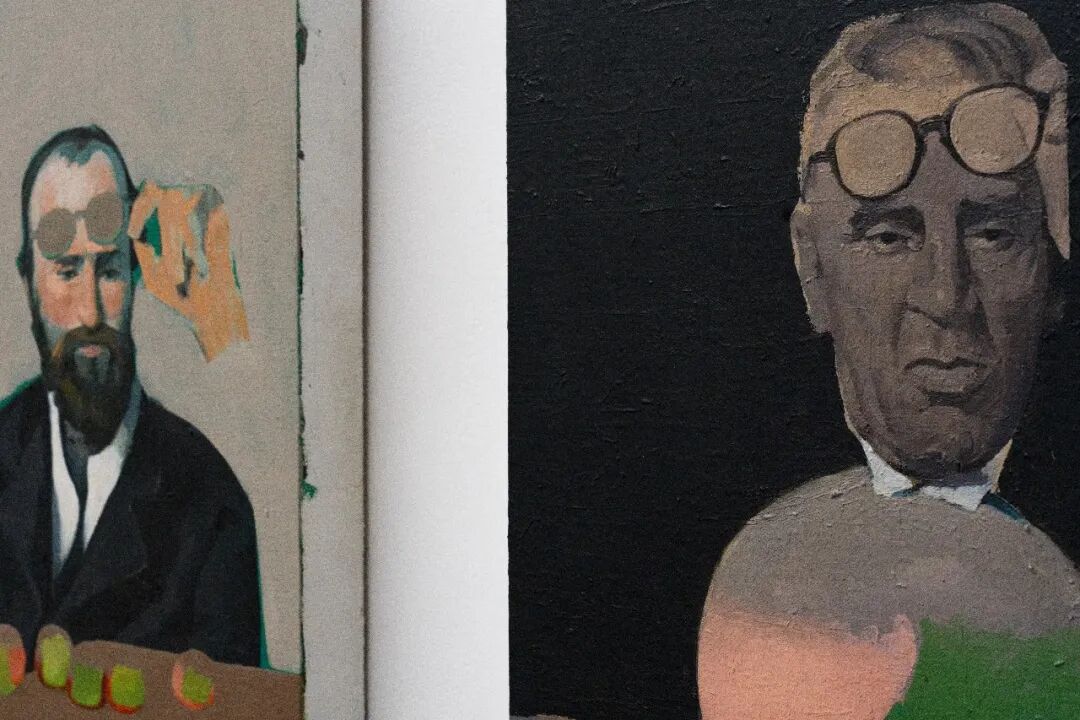
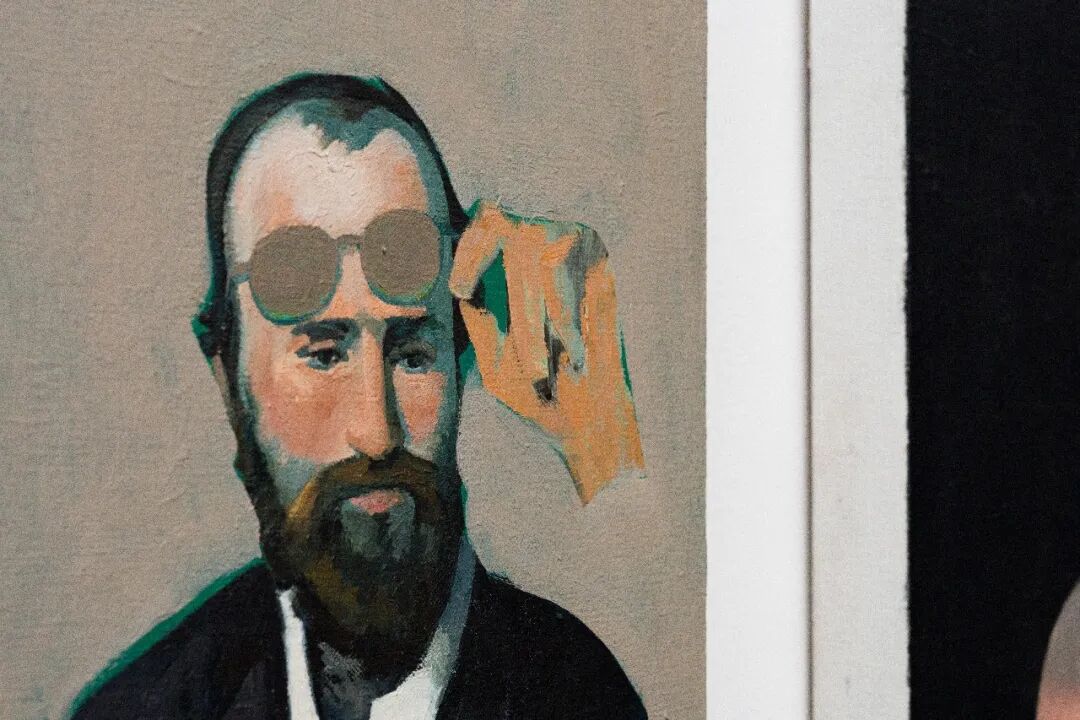
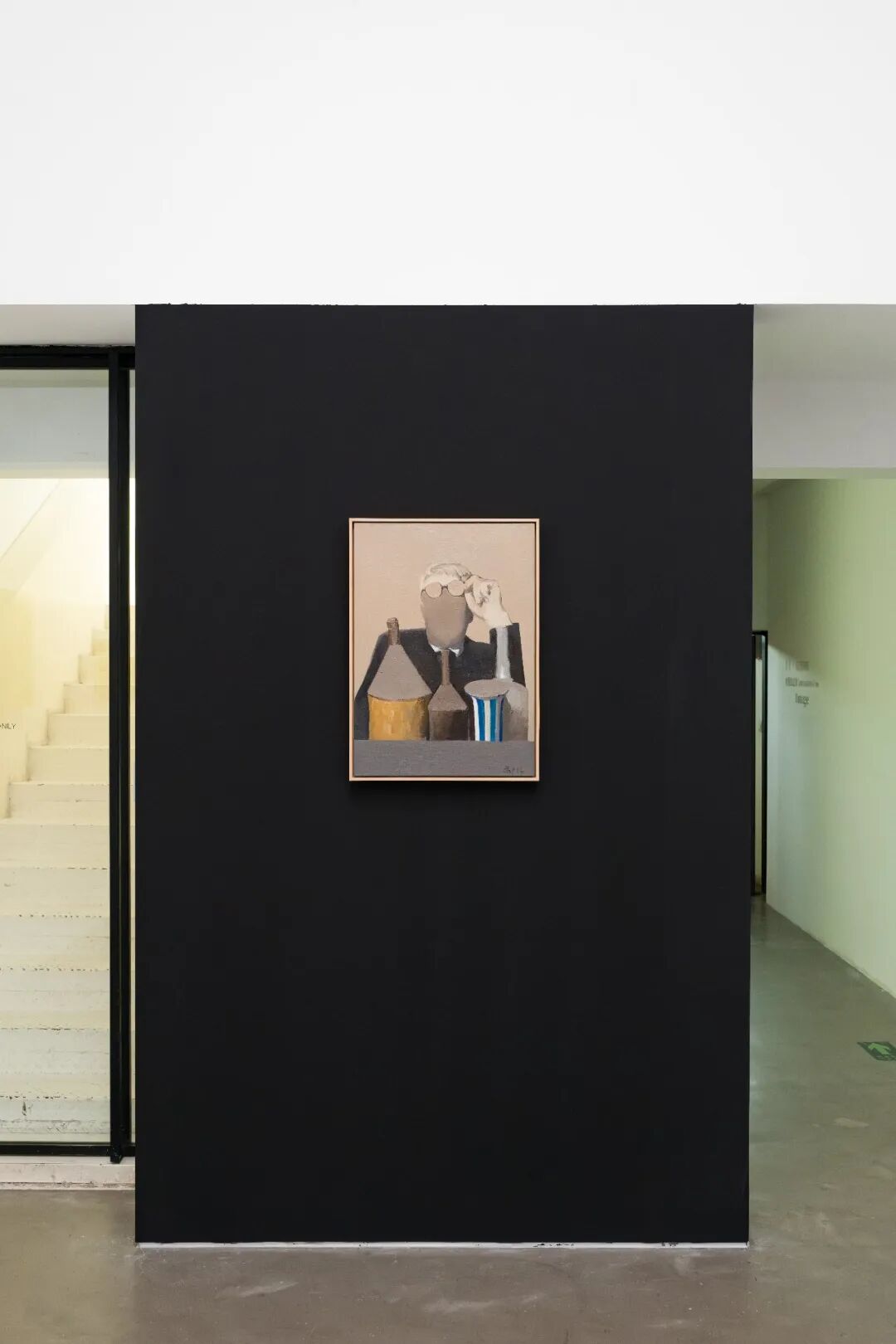
在人物肖像系列中,管勇选择了具有象征意味的塞尚和莫兰迪,作为自身图像意识研究的起点与精神坐标。在梅洛·庞蒂的阐释中,塞尚艺术的核心价值,在于身体知觉与自然场域的双向交融。这从《圣维克多山》的系列创作中可以看出,他长久观察和凝视这片家乡的风景,实现主体精神与客体自然的高度契合,让自然中隐含的秩序、节奏与生机持续进入自己的意识,通过绘画让自然的存在状态经由艺术家的肉身得以显现。而莫兰迪的创作则持续纯化静物视觉、剥离物像多余象征,他们二者都是这种“纯粹观看”的实践者。管勇选择绘画塞尚和莫兰迪的肖像,并非一般意义上的肖像绘画,而是以肖像为媒介,试图进入塞尚与莫兰迪的观看体系与知觉范式,以此完成自我观看方式的淬炼与重构。相较于塞尚和莫兰迪对自然和物像的直接肉身观照,管勇的创作正逐步建构起 “图像—知觉主体—绘画文本” 的三重感知维度,将凝视对象从自然原生景物切换为人工次生图像,如果说管勇选择的图像承载了他对物像的初次凝视和初级意识,那么二次绘画的创作,便是对这场审美经验的二次凝视,是对这种审美经验的二次感知,使之成为图像的意识。
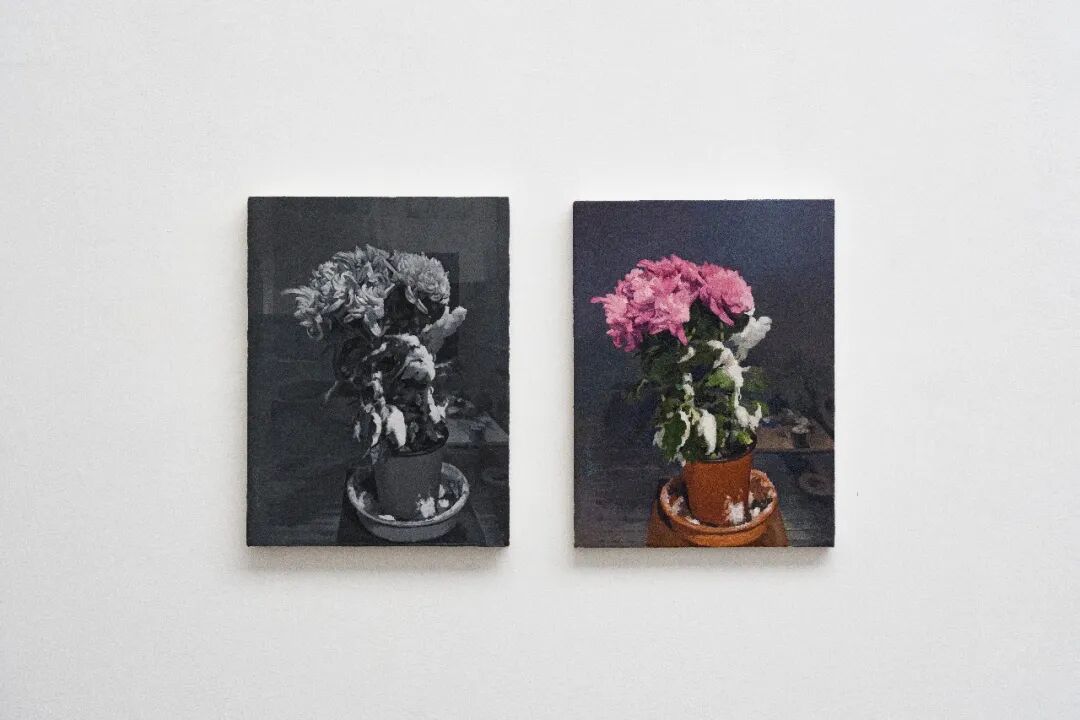
图左:管勇 Guan Yong,秋 A Autumn A,木板油彩 Oil on Board,40×30 cm,2022
图右:管勇 Guan Yong,秋 Autumn,布面油彩 Oil on Canvas,40×30 cm,2021
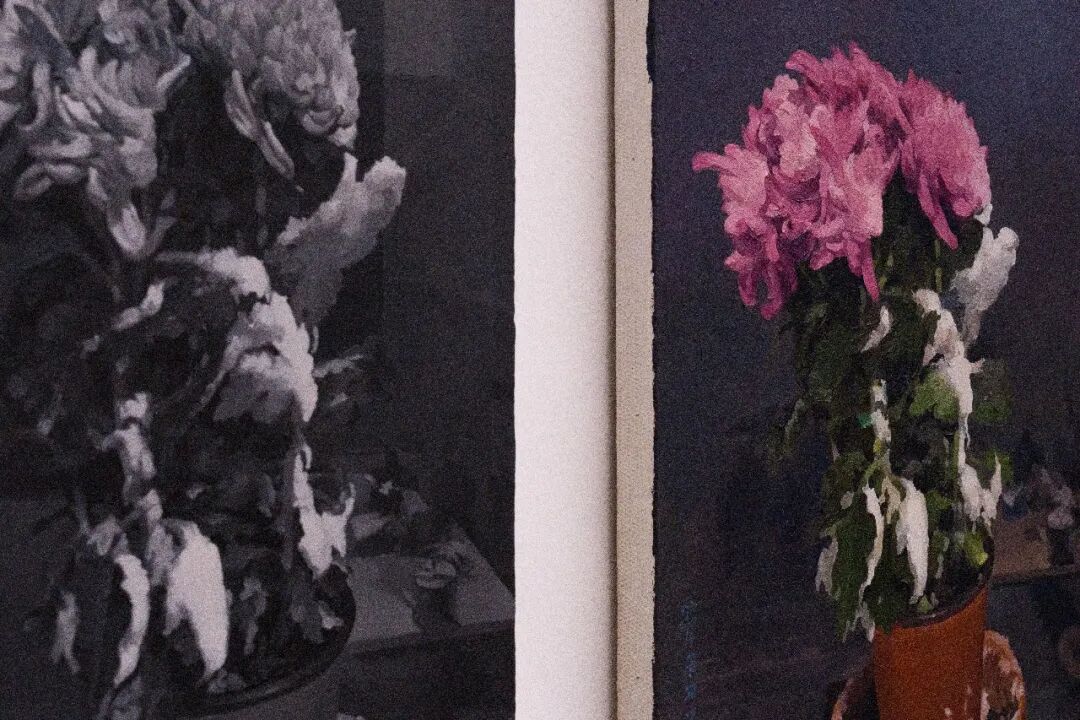
图左:管勇 Guan Yong,秋 B Autumn B,布面油彩 Oil on Canvas,40×30 cm,2022
图右:管勇 Guan Yong,无题 Untitled,布面油彩 Oil on Canvas,60.2×40.2 cm,2026
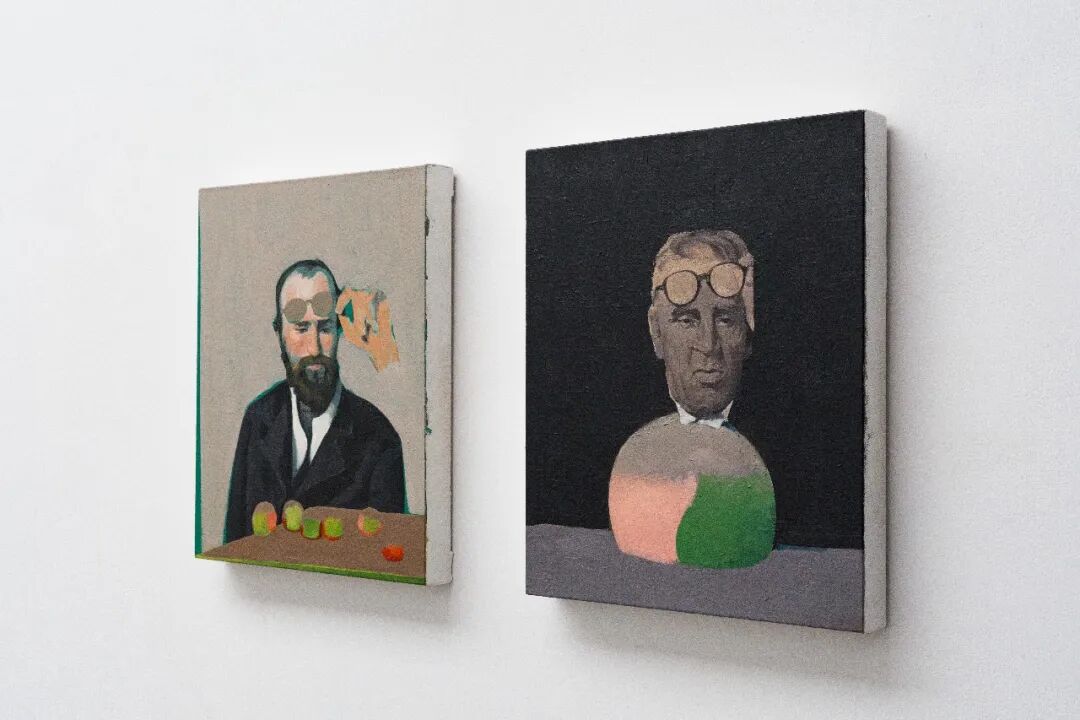
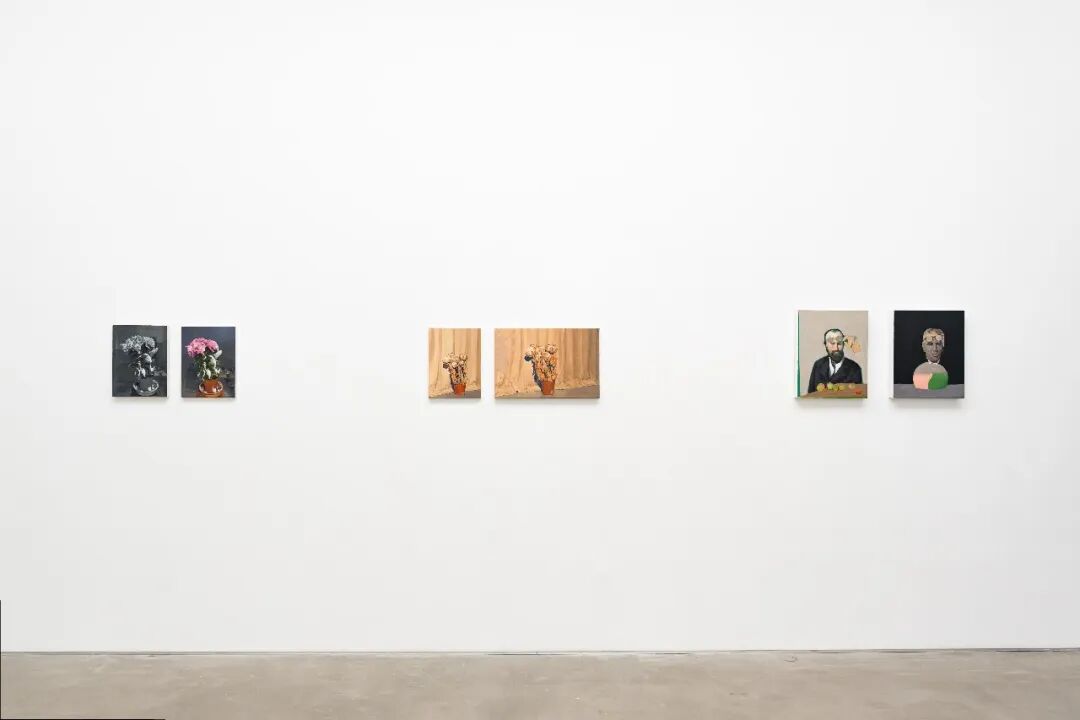
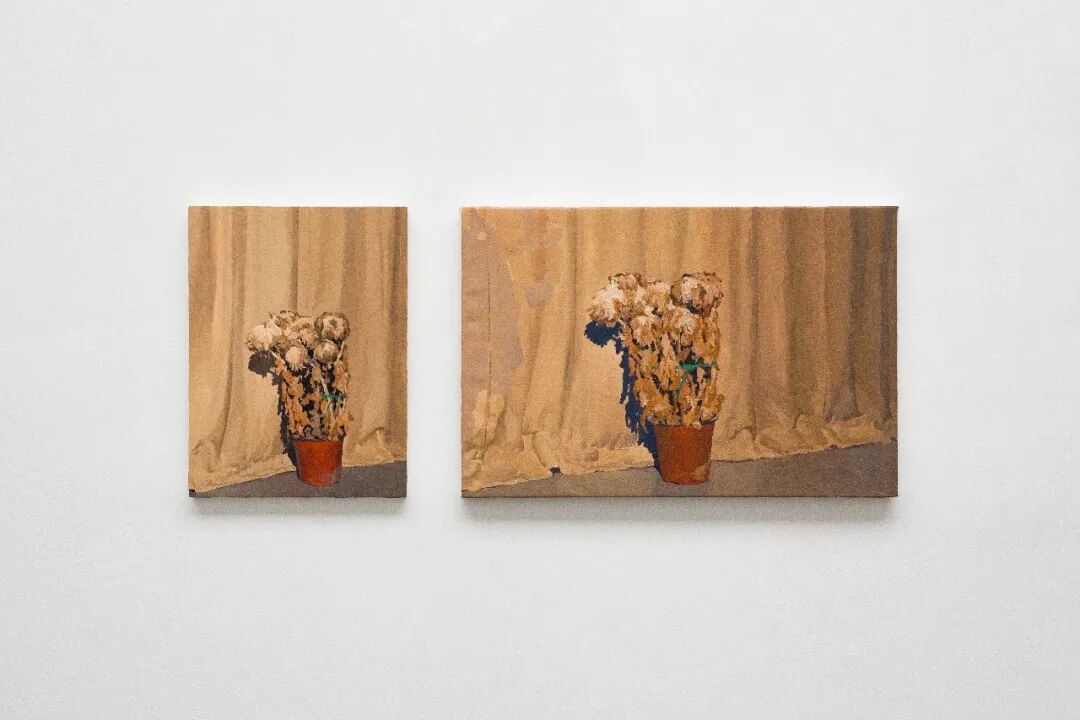
图左:管勇 Guan Yong,无题 Untitled,布面油彩 Oil on Canvas,40.1×50.1 cm,2023-2024
图右:管勇 Guan Yong,无题 Untitled,布面油彩 Oil on Canvas,40×50 cm,2023-2024
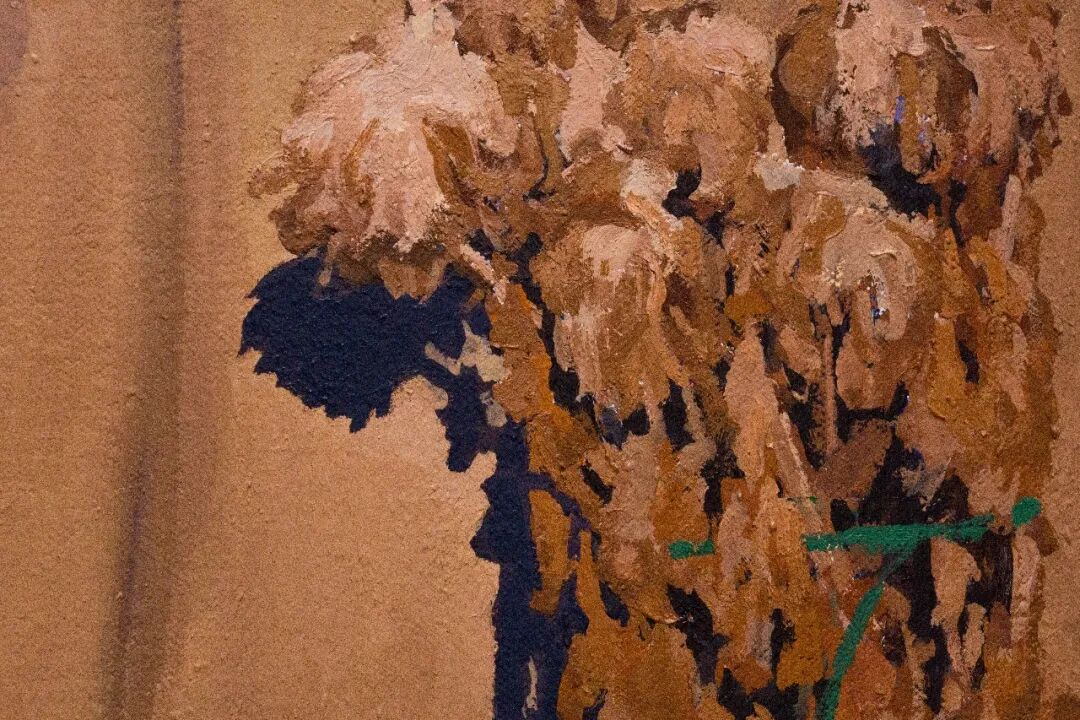
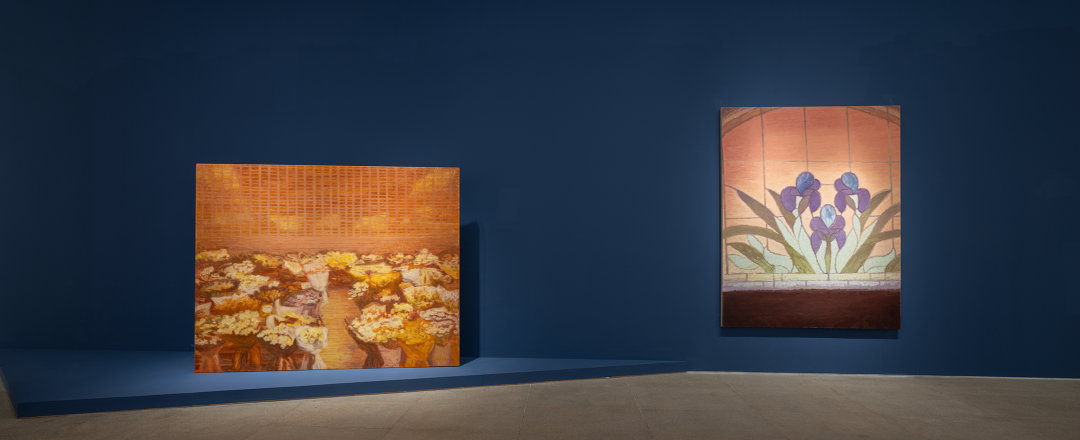
花卉系列是管勇图像意识与生命哲思的另一个重要载体。该系列均以工作室同一株花卉的纪实影像为原始素材,通过捕捉花卉从盛放至枯萎的生命轨迹,以及背景空间留白的变化,光影层次的动态调整,使图像在绘画中重获时间与生命。管勇摒弃传统花卉绘画的寄情与象征范式,以现象学式的纯粹直观,表达盛放与凋零背后的生命本质思辨。盛放的花簇明亮鲜活,充盈蓬勃的生命;枯萎的残枝沉静肃穆,沉淀存在的本真意蕴。从日常图像到绘画作品的媒介转译,绝非简单的画面复刻,而是主体意识对图像内在生命的唤醒与赋义,使静态纪实的图像载体,生成可被直观感知的精神厚度与哲思维度。
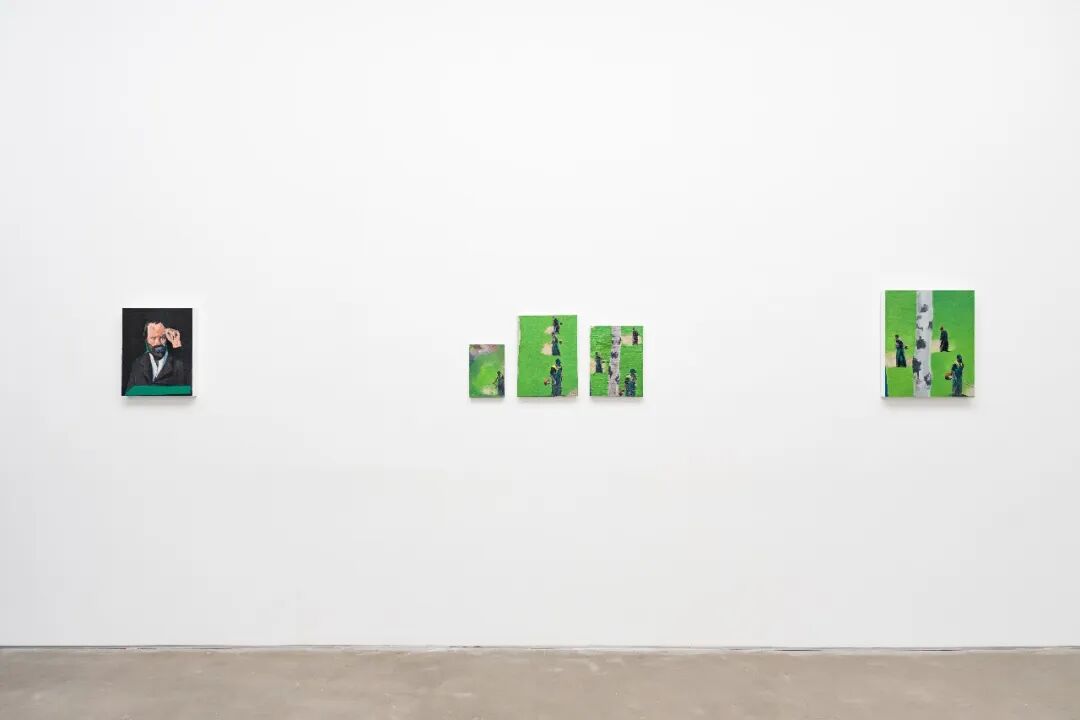
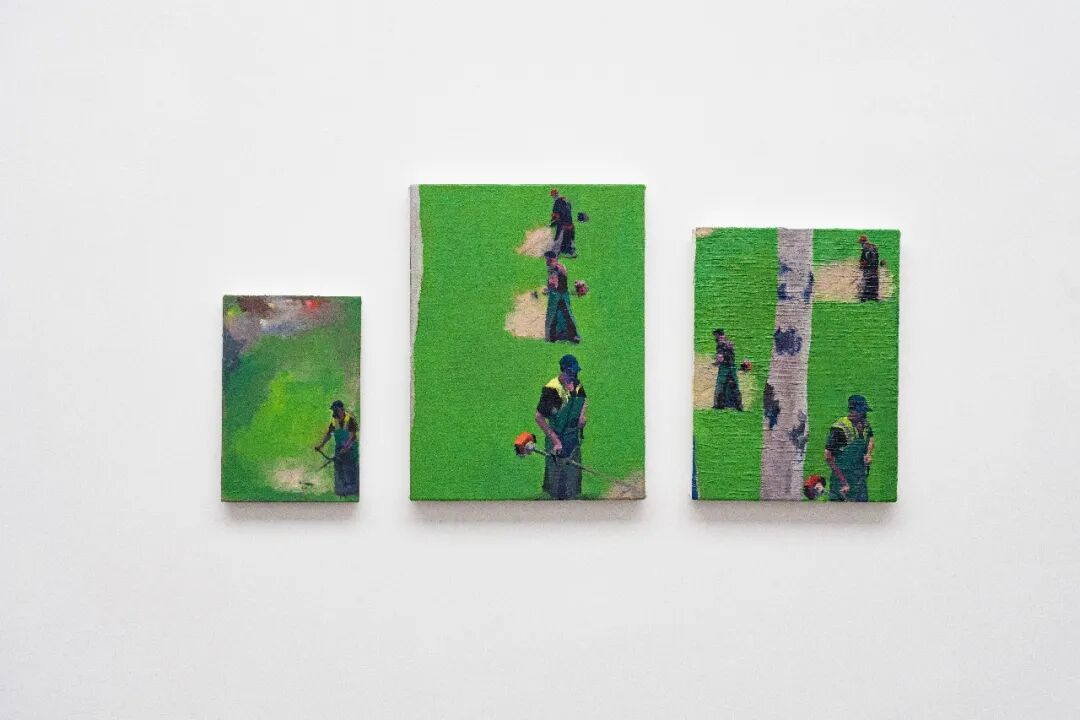
图左:管勇 Guan Yong,无题 Untitled,布面油彩 Oil on Canvas,20.2×30.2 cm,2026
图中:管勇 Guan Yong,剪草者 C Grass cutter C,布面油彩 Oil on Canvas,34.5×46.5 cm,2026
图右:管勇 Guan Yong,剪草者 B Grass cutter B,布面油彩 Oil on Canvas,30.1×40.2 cm,2026
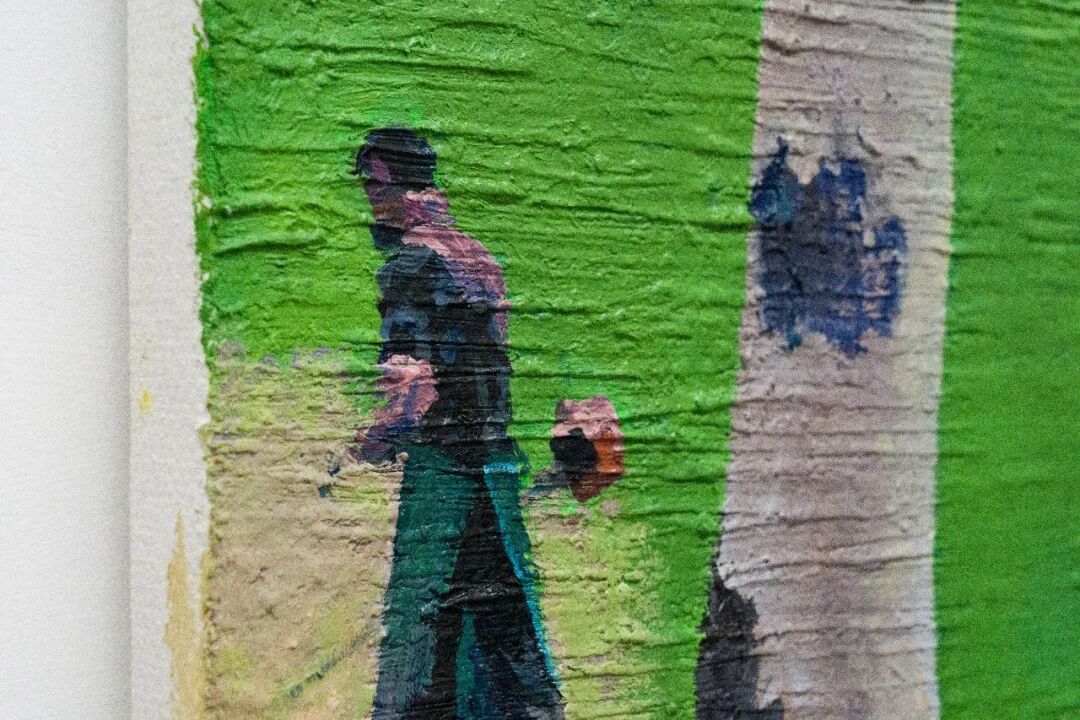
《剪草者 B》局部 Grass cutter B detail
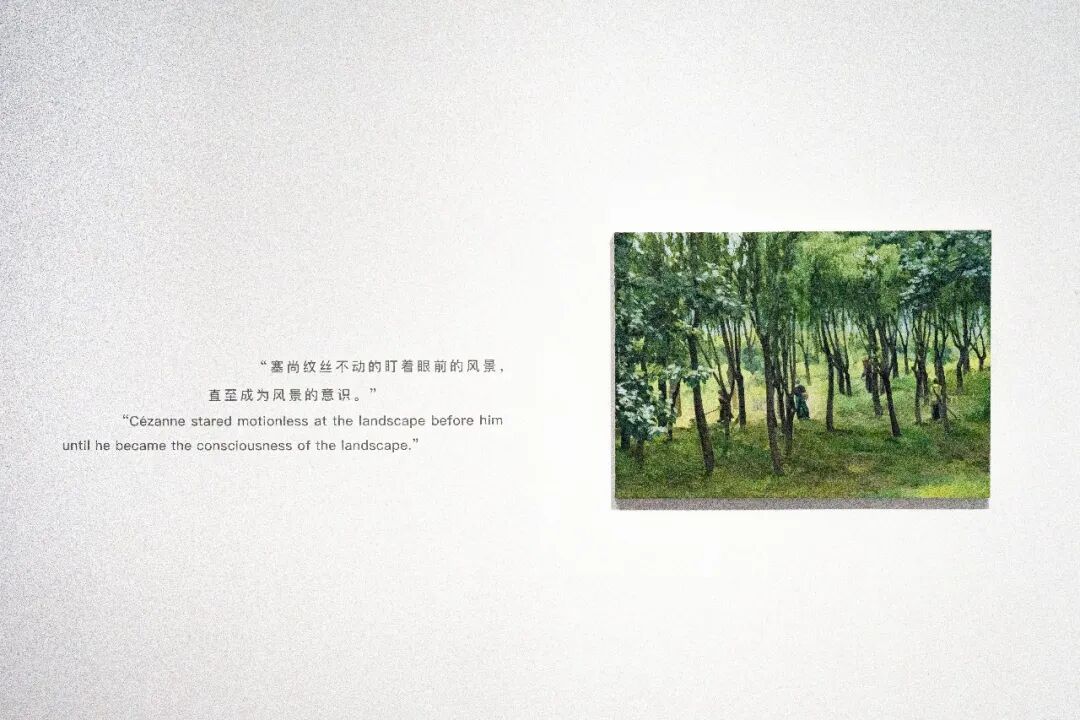
林间剪草人物这个系列,艺术家通过物像位置和空间结构的拆解和重构,进一步深化“图像如何向意识显现”这一核心创作命题。管勇刻意选取林间剪草者这一平凡图像素材,意图回避题材背后的社会叙事与象征寓意,和批判指向。这一日常、中性、几乎不携带强符号内涵的画面,剥离了图像过剩的象征性与社会性负载,让图像从叙事功能中抽身出来,使图像本身成为纯粹的凝视的客体与知觉研究对象。这一系列的创作,他使用摄影这一媒介,选取某一瞬间固化物像的位置关系和空间形态。但他并不满足于接受摄影给定的那一个“唯一瞬间”。他通过反复挪移剪草者的位置,调整人物与树林背景之间的空间距离、前后遮挡关系,他把图像之中被锁定的静止状态重新打开。通过人物缓慢、细微的位置变动,使图像媒介内部模拟出一种凝视的运动。画家的凝视不再仅仅接受照片现成的视觉结果,而是反复操练观看本身:如果我的视线偏移一点,如果人物在空间中稍作挪移,这一景象的显现会发生何种改变。
我们可以从现象学的丰富视角来审视管勇的创作。胡塞尔的意向性理论可以揭示:图像的显现始终发生于观者的意向性意识经验之中。剥离观看意识的中介作用,绘画仅为颜料、画布等物质载体;正是意识的直观凝视,使客观物质形态转化为充盈存在意义的现象显现。与此同时,梅洛‑庞蒂的肉身现象学阐明:观看是主体与图像双向交织的存在事件,主体向图像敞开自身感知,图像亦向主体显现本真意蕴。马里翁的饱和现象理论则进一步揭示:当主体悬置前置成见与固化认知,图像的直观给予性将突破固有概念框架,溢出预设叙事,呈现丰盈的存在余量。在此也特别说明,艺术家的创作并非要刻意进行某种哲学实践,而是随着哲学对艺术本质的追问,视觉艺术被认为是最具有“现象学深度”的感知能力。
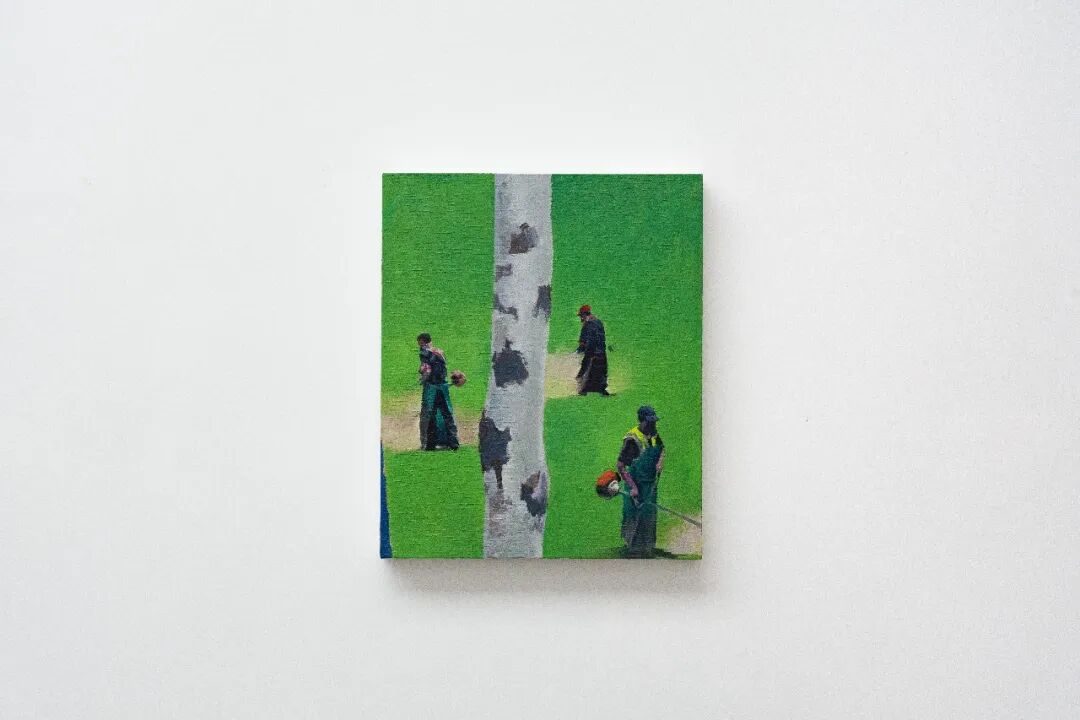
管勇 Guan Yong,剪草者 A Grass cutter A,布面油彩 Oil on Canvas,50.1×60.1 cm,2026
这样看来,管勇近期的绘画创作,可被视为“图像的图像”:即不以自然原物为原型,而以历经凝视、筛选、定格与显现的次生图像为基底,完成对图像世界的再呈现、再敞开。也可被称为“意识的意识”:通过双重觉知结构,形成两层递进的观看维度。第一层为物象承载的初级图像意识:摄影图像已然完成第一次现象学显现,景物、花卉、人物、光影皆在镜头的直观捕捉中,显现自身的秩序与存在形态,构成物象显明的初级觉知。第二层为图像转绘的二次反思意识:在凝视图像的基础上,以沉淀、修正、重构的绘画性意识,对已然显现的图像完成二次直观、二次还原、二次去蔽。若图像是让物象得以显现,管勇的绘画则是对 “物象显现过程”的再度意识化、思辨化。其创作并非机械的图像复刻,而是意识对自身的回溯、凝视与深化,让图像的生命和感性能力在绘画中被重新打开。
注释
[1] 现象学深度:保罗·克劳瑟(Paul Crowther)在《视觉艺术的现象学》(Phenomenology of the Visual Arts)中提出的核心概念,指经验之中主体与客体之间的存在论关系。参见[英] 保罗·克劳瑟:《视觉艺术现象学》,李牧译,南京:南京大学出版社,2021年,导言第3-4页;第四章“画家的在场”第100页。
[2] [法] 莫里斯・梅洛 - 庞蒂:《塞尚的疑惑》,收录于《眼与心》,刘韵涵译,商务印书馆,2019 年,第 42 页。
Swipe up and down to preview
Guan Yong: Consciousness of the Image
Text by Sun Yongzeng
From the theoretical perspective of the phenomenology of visual art, gazing is never a mere visual act, but an ontological interaction in which the subject and the world, consciousness and being, interpenetrate at profound levels. If phenomenology offers us a mode of perception that returns us to the things themselves, then visual art, acknowledged for its phenomenological depth, constitutes a perceptive and incisive path for perceiving the world. In Cézanne’s Doubt, Maurice MerleauPonty quotes Cézanne’s own words: “The landscape thinks itself in me, and I am its consciousness.” Cézanne described himself as “the consciousness of the landscape”. This intrinsic bond of reciprocal co-existence and mutual reflection between human beings and the world reshapes how we look at nature and reality, and transforms both creative practice and aesthetic reception in modern art.
Guan Yong’s recent artistic practice inherits this phenomenological vision and mindset, from which he develops a critical reflection on “imageviewing” in the age of images. Moving from Cézanne’s embodied gaze upon nature and Morandi’s profound contemplation of objects, he extends his inquiry into the digital era to ponder the question: “How do humans look at an image?” For Guan Yong, human society has evolved from natural civilisation and the industrial age into the information era, where images represent an inescapable reality of our present time. Taking imagemedia as his creative foundation, he engages in repeated subjectobject interactive gazing alongside painterly practice, excavating the symbolic meanings and perceptual structures embedded within images to achieve a painterly translation of “the consciousness of the image”. If images carry the consciousness through which objects and the world manifest themselves, Guan Yong’s paintings enact a reawareness of that manifested consciousness and a further transformation of existing images. Through painting, the ontological essence and perceptual structures borne by images open themselves to viewers. Within the twoway dynamic of media reconstruction and retrospective consciousness, painting transcends mere visual representation and becomes a spiritual vehicle reaching the depths of worldly being. Through this highly reflective body of work, he responds to the prevailing visual context of our digital age: the proliferation of fragmented images fosters superficial, fleeting and passive viewing habits that dissolve the profound implications and intrinsic value of things, while fragmenting the wholeness of human perception and subjective agency. Guan Yong’s phenomenological mode of seeing and practice offers an aesthetic correction and spiritual redemption for this predicament of superficial vision, reawakening human attention and capacity to perceive the world deeply.
The exhibition Consciousness of the Image presents three recent series by Guan Yong: portraits, floral stilllifes, and The Man Mowing in the Woods. Together they articulate his reflections and explorations surrounding the consciousness of the image.
Within the portrait series, Guan Yong selects the symbolic figures of Cézanne and Morandi as the point of departure and spiritual reference for his investigation into the consciousness of the image. As MerleauPonty interprets it, the core value of Cézanne’s art lies in the reciprocal interweaving of bodily perception and the natural field. This is evident in his Montagne SainteVictoire series: through prolonged observation and gazing at this native landscape, Cézanne attained a profound harmony between subjective spirit and objective nature. He allowed the latent order, rhythm and vitality of nature to permeate his consciousness, enabling nature’s being to manifest itself in painting through the artist’s embodied experience. Morandi’s practice, by contrast, continuously purified stilllife vision and stripped away extraneous symbolism from objects. Both artists were practitioners of this “pure seeing”. However, Guan Yong’s portraits of Cézanne and Morandi are not portraiture in the conventional sense. Using portraiture as a medium, he seeks to inhabit Cézanne’s and Morandi’s systems of vision and perceptual paradigms, tempering and reconstructing his own way of seeing. Unlike Cézanne and Morandi’s direct, embodied contemplation of nature and physical objects, Guan Yong’s work gradually builds a threelayered perceptual framework: “imageperceiving subjectpainterly text”. His object of gaze shifts from original natural scenes to manmade secondary images. If the source images he works from hold his initial gaze and primary consciousness of objects, the act of painting constitutes a second gaze and perception of that aesthetic experience, which then brings forth the consciousness of the image.
The floral series forms another key vessel for Guan Yong’s thinking on image consciousness and the philosophy of life. All works in this series are drawn from documentary photographs of one single plant in his studio. By capturing its life trajectory from full bloom to withering, together with modulating background voids and dynamic layers of light and shadow, the artist has restored time and life to the images in painting. Rejecting the emotional projection and symbolic conventions of traditional flower painting, Guan Yong retains a pure phenomenological intuition to meditate on the essence of life behind blooming and decay. Blossoming clusters glow vividly with exuberant life. Withered branches carry quiet solemnity, distilling the authentic meaning of existence. This media translation from ordinary photos to painting is far from mechanical reproduction. It is subjective consciousness’s act of awakening and endowing meaning upon the inner life of the source image that grants the static documentary imagery an intuitive spiritual depth and philosophical dimension.
In the series The Man Mowing in the Woods, the artist deconstructs and reconstructs the positions of object images and spatial structures, further deepening his proposition of creation: how does an image appear to consciousness? Guan Yong deliberately chooses this mundane motif of a mower in woodland, steering clear of implicit social narratives, symbolic connotations and critical agendas. This ordinary, neutral scene, largely free of heavy symbolic coding, strips away surplus symbolic and social burdens, releasing the image from narrative duty so that the image becomes a pure object of gaze and perceptual investigation. For this series, photography is used to capture positional relations and spatial configurations in an instant. Yet Guan Yong does not settle for accepting photography’s “one definitive moment”. By repeatedly shifting the mower’s position and adjusting spatial distance and overlapping occlusion between figure and woodland backdrop, he unlocks the frozen stasis embedded in the source image. Slow, subtle displacements of the figure simulate the movement of gazing inside the pictorial medium. The painter’s gaze no longer merely receives the readymade visual output of the photo. Instead, he repeatedly enacts seeing itself: what would this scene manifest if my sight shifted slightly, if the figure moved marginally within space?
Guan Yong’s oeuvre can be examined through the rich lenses of phenomenology. Edmund Husserl’s theory of intentionality reveals that the appearance of an image always unfolds within the intentional conscious experience of the beholder. Without the consciousness of seeing, a painting is nothing more than material components such as pigment and canvas. It is the intuitive gaze of consciousness that transforms objective physical matter into phenomenal appearance with existential meanings. Meanwhile, MerleauPonty’s phenomenological notion of the flesh elucidates that seeing is an existential event featuring the entanglement between subject and image: the subject opens perception to the image, and the image in turn discloses its authentic significance to the subject. JeanLuc Marion’s theory of saturated phenomena further demonstrates that when the subject suspends prior prejudices and rigid preconceptions, the intuitive givenness of the image breaks preestablished conceptual frameworks, exceeds preprogrammed narratives, and reveals an abundant surplus of being. It should be emphasised that the artist does not set out deliberately to execute a philosophical project. Rather, as philosophy interrogates the essence of art, visual art is recognised as the perceptual faculty most endowed with “phenomenological depth”.
Seen in this light, Guan Yong’s recent paintings can be interpreted as “images of images”: they take not original natural things as their model, but secondary images that have already undergone gazing, selection, fixation and manifestation, upon which he represents and reopens the world of images. Equally, they can be described as “consciousness of consciousness”: a dualawareness structure establishes two successive layers of vision. The first layer is the primary image-consciousness carried by objects: photographic images accomplish a first phenomenological manifestation. Landscapes, flowers, figures and lightshadow reveal their own order and mode of existence through the intuitive capture of the lens, which constitute the primary awareness of things. The second layer is the secondary reflective consciousness through painterly transcription: building upon the gaze toward the image, and through a painterly consciousness that sediments, corrects and reconstructs, one performs a second intuition, reduction and unveiling of the image that has already manifested itself. If images enable objects to manifest, Guan Yong’s paintings point to the re-consciousisation and speculative reflection upon the very process of object image’s manifestation. His practice is not the mechanical copying of images. It is consciousness returning to itself, gazing inward and deepening, so that the life and sensuous power of images are reopened within painting.
Endnotes
[1] Phenomenological depth: Core concept proposed by Paul Crowther in Phenomenology of the Visual Arts. It refers to the ontological relation between subject and object within experience. See Paul Crowther, Phenomenology of the Visual Arts, trans. Li Mu, Nanjing: Nanjing University Press, 2021, Introduction pp.34; Chapter 4 “The Presence of the Painter”, p.100.
[2] Maurice MerleauPonty, “Cézanne’s Doubt”, in Eye and Mind, trans. Liu Yunhan, The Commercial Press, 2019, p.42.

评论 (0)
登录后才能发表评论。
登录 / 手机号注册暂无评论,来发表第一条吧。